


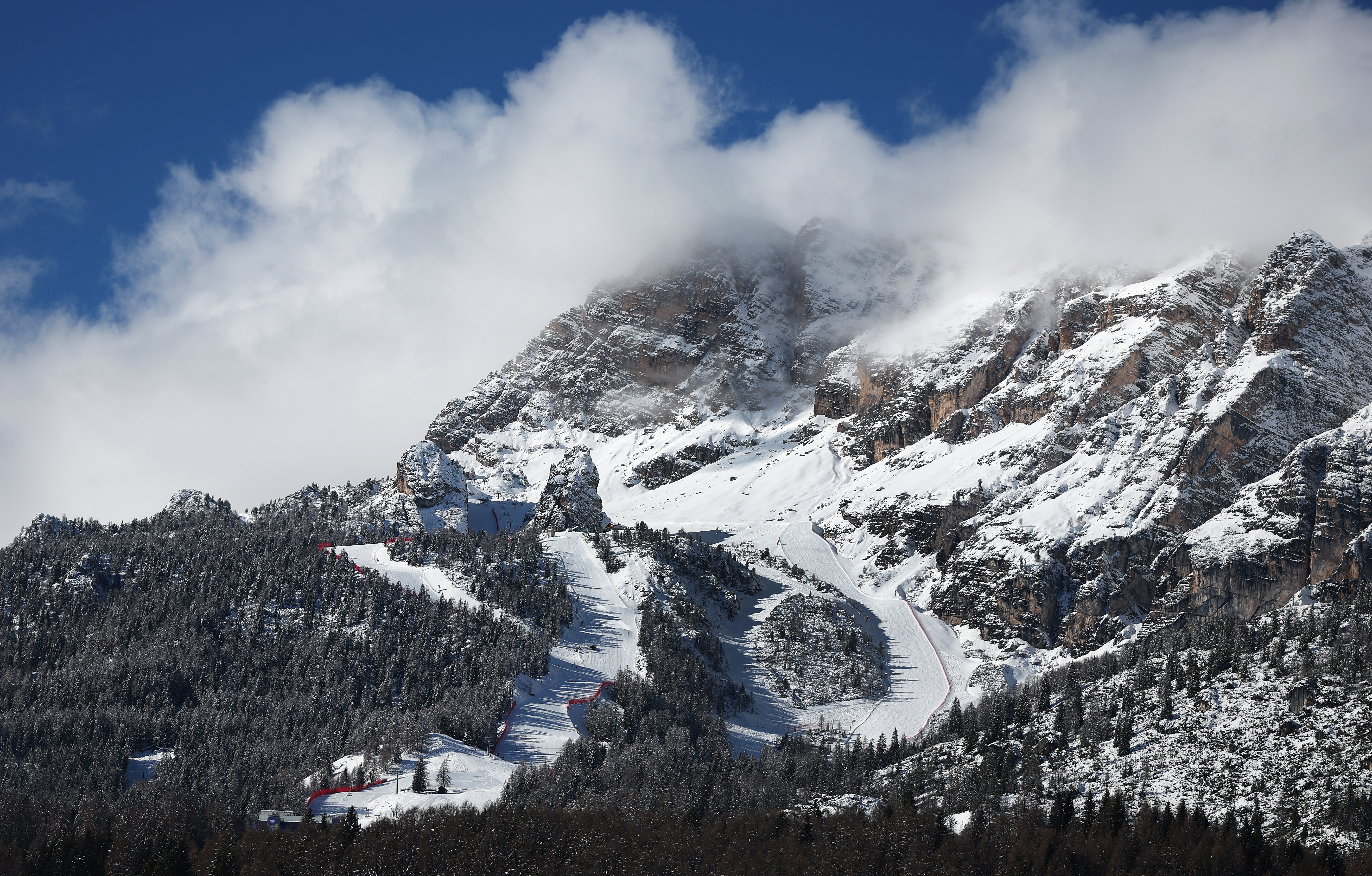
Milano Cortina 2026
The Olympic Winter Games returned to Italy for the first time since Torino 2006, with Milan and Cortina d'Ampezzo becoming the first two cities in Olympic history, winter or summer, to officially co-host a Games. Cortina d'Ampezzo previously hosted the 1956 Olympic Winter Games.
A total of 2,880 athletes took part across eight sports, 16 disciplines and 116 medal events. Ski mountaineering made its Olympic debut, while new events included Women's Doubles in luge, Women's Large Hill in ski jumping, a Mixed Team event in skeleton, Men's and Women's Dual Moguls in freestyle skiing and the Team Combined in alpine skiing.
Competition was spread across clusters in Northern Italy, including:
Milan:
- Ice Hockey, Figure Skating, Speed Skating, Short Track Speed Skating.
Cortina d'Ampezzo:
- Curling, Bobsleigh, Skeleton, Luge, Alpine Skiing (women).
Bormio, Livigno and the Valleys:
- Alpine Skiing (men), Ski Mountaineering, Freestyle Skiing, Snowboard, Cross-Country Skiing, Ski Jumping, Nordic Combined, Biathlon.
Norway topped the medal tally with 41 medals, 18 of them gold, maintaining the top spot it has held since PyeongChang 2018.
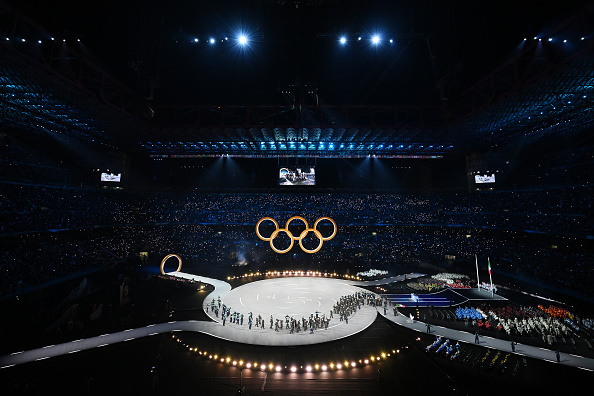
Australia at these Games
The Australian Team at Milano Cortina 2026 featured 55 athletes, our largest ever Winter Olympic Team. The Northern Alps felt like a mini-Australia, providing a "home Games" feel for the Team, which delivered Australia's most successful Winter Olympics, securing three gold medals, two silver medals and a bronze medal. Australia finished 14th on the medal tally with more than 20 top-10 finishes and more than half the Team finishing in the top-15. It took Australia 12 years to win three gold medals between 2010 and 2022; the Team of 2026 won three gold medals in three days.
Jakara Anthony and Matt Graham represented Australia as our Opening Ceremony Flag Bearers, with Cooper Woods and Danielle Scott as Flag Bearers for the Closing Ceremony.
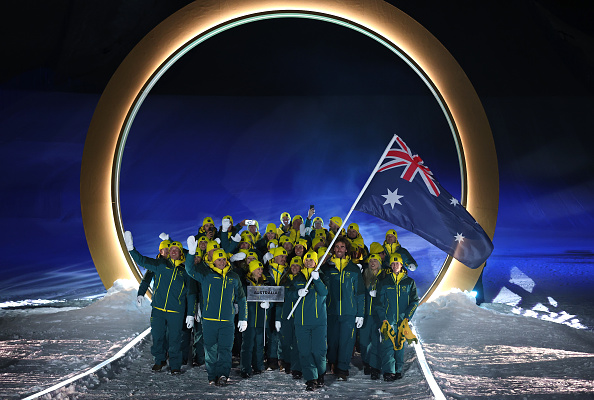
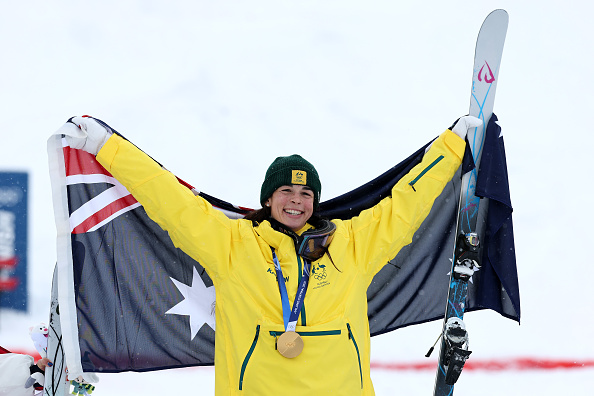
Cooper Woods became Australia's seventh Winter Olympic Champion with three flawless runs to win the single Moguls, delivering Australia's first medal of the Games. Jakara Anthony became the only Australian Winter Olympian to win a second gold medal and the first ever women's Dual Moguls Champion.
Matt Graham claimed bronze in the Men's Dual Moguls, joining the elite club of eight Australians with two or more Winter Olympic medals, and his "dad podium" was one of the most heartwarming moments of the Games. Half of Australia's medals were won by mogul skiers.
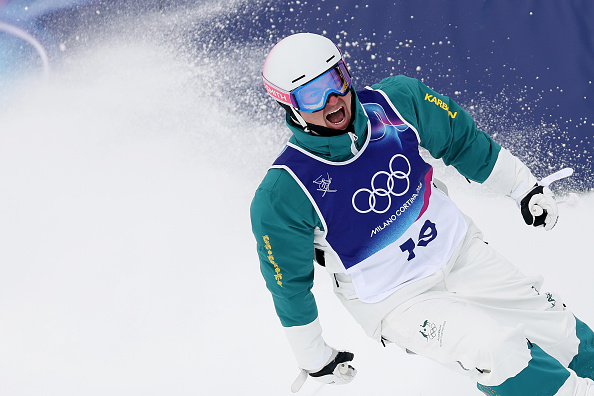
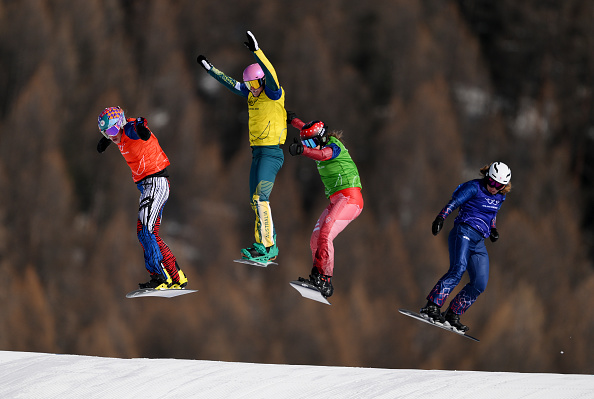
Snowboarder Josie Baff became Australia's eighth Winter Olympic Champion, beating two Olympic Champions in the snowboard cross final.
Scotty James became the first Australian Winter Olympian to win three individual medals with silver in the men's Snowboard Halfpipe, while Danielle Scott completed a redemption run at her fourth Games, becoming the fourth Australian aerial skier to win an Olympic medal.
Friday the 13th proved Australia's lucky day, our most successful day in Winter Olympic history, with gold to Baff and silver to James.
Beyond the medals, Hugo Hinckfuss and Lars Young Vik finished 14th in the men's Cross-Country Team Sprint, Australia's highest ever finish, while Phoebe Cridland, Rosie Fordham, Ellen Soehol Lie and Maddie Hooker represented Australia in the women's 4 x 7.5km relay for the first time.
Holly Harris and Jason Chan became the highest-placed Australian Olympic Ice Dancers in history finishing in 18th place. Luger Alex Ferlazzo became the first Australian to compete at four separate Games.
Alpine skier Madi Hoffman finished 23rd in the Slalom, the best Australian performance since Zali Steggall.
With 32 Australians on debut, including five teenagers, the future looks bright for Australian winter sport as the Team builds towards the French Alps in 2030.
Read More
MEET THE MILANO CORTINA 2026 TEAM
Milano Cortina 2026 Sports
Milano Cortina 2026


